Foger Battery Guide: Capacity, Charging & Replacement Tips

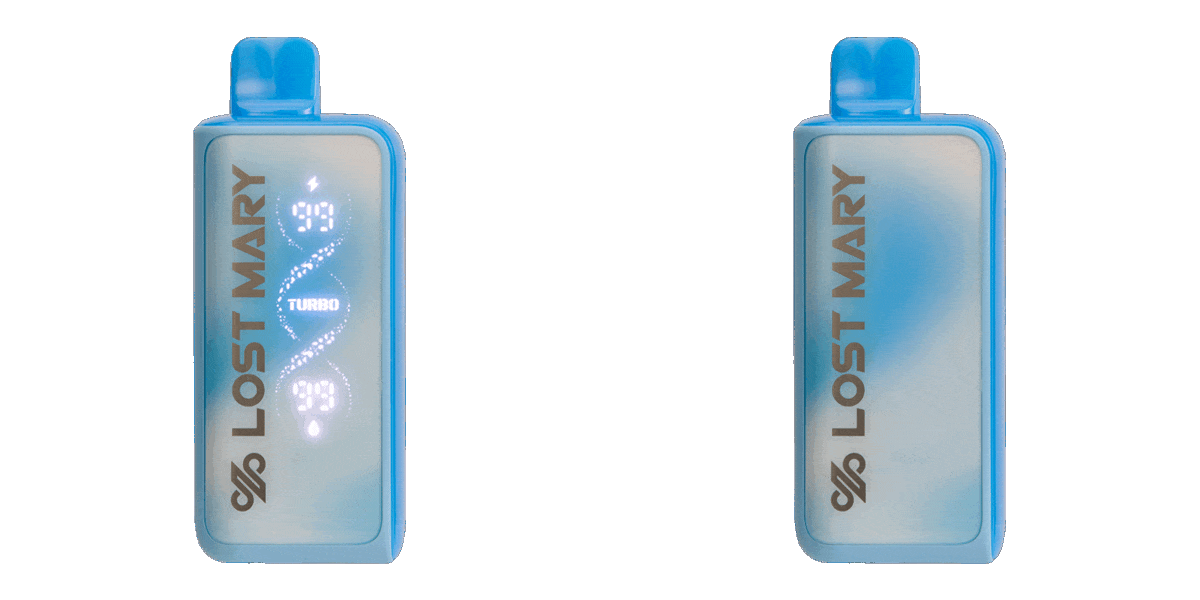
Quick answer: a Foger battery usually means the rechargeable power system used in a Foger vape device. In a reusable dock system such as Foger Switch Pro, the dock is the part users keep and recharge, while the pod is replaced when empty or no longer working normally. In sealed disposable devices, the internal lithium-ion cell is not meant to be removed, repaired, or reused separately.
This guide explains how to identify the reusable part, how charging usually works, what to check when vapor becomes weak, and how to handle end-of-life devices more safely. It avoids unsupported market claims and focuses on practical battery, charging, replacement, and adult-user safety information.
Key Takeaways
- Check the device type first. Reusable dock systems and sealed disposable devices should not be treated the same way.
- Do not open, puncture, modify, or remove a lithium-ion cell from a sealed vape device.
- Weak vapor is not always a battery problem. It can also come from an empty pod, dirty contacts, blocked airflow, low e-liquid, or normal end-of-life behavior.
- Use the correct charging cable, avoid overnight charging, and keep the device away from extreme heat, water, and physical damage.
- When a device or dock no longer charges normally, follow local battery recycling guidance instead of throwing loose lithium-ion cells into household trash.
| Foger device type | Battery setup | What users usually keep | Best action when performance drops |
|---|---|---|---|
| Reusable dock system | Rechargeable dock or power unit plus replaceable pod | Keep and recharge the dock; replace empty or faulty pods | Recharge the dock, clean the contacts, reseat the pod, then replace the pod if vapor remains weak |
| Sealed disposable device | Integrated internal lithium-ion cell | The internal cell is not user-removable | Recharge only if the model supports charging; replace or recycle the device at end of life |
| Replacement pod | Pod component powered by the dock | Keep only while the pod has e-liquid and works normally | Replace the pod; do not try to repair the battery area or refill sealed parts unless the manufacturer says it is designed for that |
What Is a Foger Battery?
A Foger battery is not always a separate battery that users can buy, remove, or replace. In many vape devices, the battery is an integrated power system built into the device body. In a reusable dock design, the battery is usually inside the dock. In a sealed disposable design, the battery is built into the device and should not be opened.
This distinction matters because battery handling affects safety. Rechargeable lithium-ion cells can be damaged by heat, water, crushing, punctures, incorrect charging, or attempts to modify the device. If a Foger device becomes hot, swollen, leaking, damaged, or smells unusual, stop using it and keep it away from flammable materials.
Reusable Dock vs. Sealed Disposable Battery
The simplest way to understand a Foger battery is to identify whether the device is built around a reusable dock or a sealed disposable body. A dock-based system is designed so the power unit can be kept and recharged, while the pod is replaced. A sealed disposable device is designed as one complete unit; even if it has a charging port, that does not mean the internal cell is safe to remove.
Simple rule
If the manufacturer designed the part to be replaced, replace that part. If the battery is sealed inside the device, do not try to open it, repair it, or reuse it separately.
🔥 Recommended Foger Products
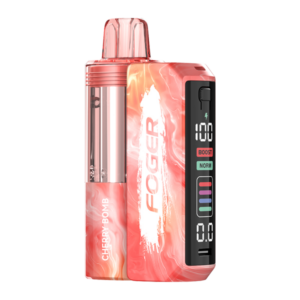
Foger Switch Pro Vape
Rechargeable Foger device with replaceable pod system. Designed for users who want a reusable battery setup.
View Product
Foger Replacement Pods
Replace empty or worn pods without replacing the entire device. Check compatibility before ordering.
Shop PodsHow to Charge a Foger Battery More Safely
Use the charging cable and power source recommended for the device. Place the device on a stable, non-flammable surface while charging, and disconnect it once charging is complete. Avoid charging near water, under pillows, in direct sunlight, or inside a hot car.
- Do not charge a device that is cracked, leaking, swollen, or unusually hot.
- Do not use damaged cables or loose charging ports.
- Do not leave the device charging unattended for long periods.
- Keep charging contacts dry and free from pocket lint or e-liquid residue.
- Let a cold device return to room temperature before charging.
Troubleshooting Weak Vapor or Charging Problems
Weak vapor does not automatically mean the Foger battery has failed. Work through the simple checks below before deciding that the dock or device is at the end of its life.
- Recharge the device or dock. A low charge can reduce vapor output.
- Check the pod. If the pod is empty or near empty, replacing the pod may solve the issue.
- Clean the contacts. Use a dry cotton swab to remove dust or residue from magnetic or charging contacts.
- Check airflow. Pocket lint or condensation can block airflow and make draws feel weak.
- Stop using damaged devices. Heat, swelling, cracks, leaking, or burning smells are warning signs.
If a reusable dock still will not charge after cleaning the contacts and trying a known-good cable, the dock may need replacement. If a sealed disposable device no longer works after normal charging, it should be replaced or recycled according to local guidance.
Foger Battery Troubleshooting Guide
| Problem | Possible Cause | Solution |
|---|---|---|
| Device won’t charge | Dirty contacts | Clean contacts |
| Weak vapor | Low battery or empty pod | Charge or replace pod |
| Charging stops | Cable/port issue | Try another compatible cable |
| Device gets hot | Battery stress | Stop using |
How Long Does a Foger Battery Last?
The lifespan of a Foger battery depends on usage habits, charging frequency, storage conditions, and the device design. Rechargeable dock systems are generally designed for repeated charging cycles, while sealed disposable devices are replaced when the integrated battery reaches the end of its usable life.
| Factor | Effect on Battery Life |
|---|---|
| Frequent charging | Normal wear over time |
| Extreme heat | Can reduce battery performance |
| Damaged charging port | May affect charging |
| Long storage without use | Can reduce performance |
Replacement, Storage, and Recycling
Replace pods when they are empty, taste burnt, leak, or no longer make proper contact with the dock. Replace a sealed disposable device when it no longer charges, produces weak vapor after charging, or reaches normal end-of-life.
Store Foger devices upright when possible, away from children, pets, water, direct sunlight, and extreme heat. Do not store lithium-ion vape devices loose with keys, coins, or other metal objects that could damage contacts or create a short circuit.
For disposal, follow local e-waste or battery recycling guidance. Many areas do not want lithium-ion batteries in household trash because damaged cells can create fire risks during collection or processing.
Legal and Health Note
Vape and nicotine product rules vary by country, state, and retailer. This article is for general adult-user information only and is not medical or legal advice. Nicotine is addictive, and no vape product is risk-free.
Do not sell, advertise, or ship vaping products where prohibited. Always check local laws and official health guidance before buying, selling, or using nicotine products.
Frequently Asked Questions About Foger Battery
Can I replace a Foger battery?
Usually, no. If the battery is sealed inside the device or dock, it is not intended for user replacement. Replace the pod if the system uses pods, or replace/recycle the device if the sealed unit has reached end of life.
Why does my Foger device still feel weak after charging?
The pod may be empty, the contacts may be dirty, airflow may be blocked, or the device may be near end of life. Clean the contacts with a dry cotton swab, check the pod, and avoid using damaged devices.
Is it safe to open a disposable vape battery?
No. Opening, puncturing, or modifying a sealed lithium-ion vape battery can create fire, burn, leakage, or chemical exposure risks. Do not attempt DIY repair or battery removal.
How should I recycle a Foger battery device?
Follow local battery or e-waste recycling rules. Do not place loose lithium-ion cells in regular trash, and do not remove sealed cells unless a qualified recycling program instructs you to do so.